Game Day Football: A Pro Review for Branded Merch
As an embroidery designer who has spent years digitizing and stitching for small businesses, I approach every new machine embroidery design with a critical eye. It is not just about whether a pattern looks cute on a screen; it is about how that digital embroidery file translates into a tangible asset for a brand. Today, I am reviewing the Game Day Football design, specifically evaluating its potential for small business merchandise, branded patches, and professional apparel decoration.
The product description promises to "embellish your fabric projects" with a "subtle touch of charm and creativity," noting its suitability for T-shirts, towels, and pillows. While these are excellent starting points, my focus is on how this design performs in a commercial setting. Does Game Day Football have the visual weight to serve as a logo accent? Can it withstand the rigors of a staff uniform or the curvature of a cap? Let's dive into the details from a practitioner's perspective.
Visual Personality and First Impressions
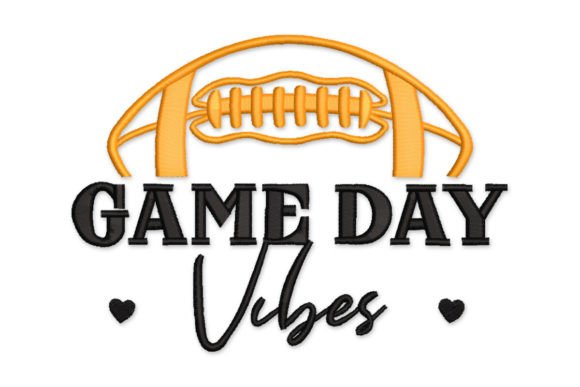
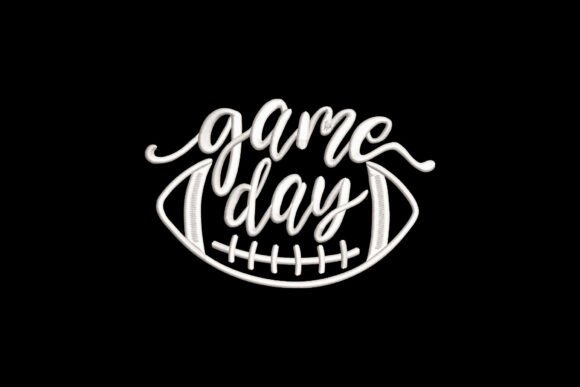
Upon first inspection, Game Day Football exudes a friendly and playful energy that fits squarely within the Hobbies Sports category. The aesthetic feels classic yet approachable, making it an ideal candidate for brands that want to appear community-focused rather than overly corporate. For a local café hosting a viewing party, a boutique selling athletic leisurewear, or a creative studio looking to add a sporty flair to their lineup, this design offers immediate recognition.
The "subtle touch of charm" mentioned in the description suggests that the stitch work is likely balanced, avoiding excessive density that can make a design look stiff. This is crucial for brand identity. When a customer sees an embroidered item, the quality of the stitches reflects the quality of the business. A design that feels handmade but polished enhances product value and fosters customer trust. It signals that the business cares about the details, turning a simple tote bag or apron into a piece of small business merch that people actually want to keep and use.
Real-World Applications for Commercial Embroidery
The versatility of Game Day Football shines when we move beyond home decor and into the realm of custom apparel and branded goods. Here is how I envision this design working in various business scenarios:
- Staff Uniforms and Aprons: For a sports bar or a bakery with a football-themed seasonal menu, this design works beautifully as a chest logo on work shirts or as a focal point on an apron embroidery project. It adds personality to the staff without overwhelming the uniform.
- Branded Patches: This is perhaps the strongest use case. Creating an embroidered patch allows for maximum flexibility. You can sew these onto denim jackets, backpacks, or beanies sold in your shop. Patches also allow customers to apply the branding to items you don't sell directly, increasing your brand's reach.
- Cap Embroidery: A structured cap is a staple of sports merchandise. Game Day Football could serve as a front-center design or a subtle side detail. However, curved surfaces require careful attention to registration and pull compensation, which we will discuss later.
- Tote Bags and Packaging: As a tote bag design, it elevates a simple canvas carrier into a statement piece. It can also be used as an accent on fabric packaging or gift bags, adding a tactile element that printed ink cannot replicate.
- Event Merchandise: For local leagues, school fundraisers, or community events, this design is ready-made for bulk production. It serves as an instant identifier for team members or participants.
Critical Considerations for Production
While the potential is high, a professional review must also highlight where caution is needed. Not every design works everywhere, and ignoring technical limitations can ruin a batch of finished product.
First, consider the size. If you intend to use Game Day Football as a tiny label or a small patch under two inches, you must evaluate the stitch density and detail level. Fine outlines and small lettering can merge together if the design is scaled down too far, especially on textured fabrics like towels or pique polo shirts. Always request a test stitch-out at your intended minimum size before committing to a large run.
Second, think about thread colors and contrast. The design may look vibrant in full color on a white background, but how does it perform on dark uniforms? You may need to adjust the thread palette to ensure visibility. A navy blue thread on a black shirt might look sophisticated, but if the design relies on contrast for definition, it could get lost. Testing in black and white first is a pro tip to check if the shape holds up without relying on color differentiation.
Third, fabric texture matters. The description mentions towels, which have a high pile. Stitching on terry cloth requires a different approach than stitching on smooth cotton. You will likely need a heavier cut-away stabilizer to prevent the design from sinking into the loops of the towel. Similarly, for cap embroidery, the curvature demands a specific hoop setup and potentially a stiffer stabilizer to maintain the design's integrity during the wash cycle.
Enhancing Brand Identity and Buyer Engagement
In the world of Etsy sellers and handmade brands, visual consistency is key. Using a cohesive set of design assets helps customers recognize your brand instantly. Game Day Football can be part of a larger collection of sports-themed items that define your shop's niche. When a customer sees this design on a pillow, then on a tote, and finally on a patch, it reinforces brand recall.
Furthermore, the tactile nature of Embroidery adds a layer of premium perception. In a market saturated with printed goods, an embroidered item stands out. It suggests durability and craftsmanship. For a florist including a small embroidered tag on a delivery bag, or a pet brand creating a bandana for game day, this level of detail increases buyer engagement. Customers are more likely to share photos of high-quality, embroidered merchandise on social media, providing free marketing for your business.
Practical Designer Notes for Success
Before you load this embroidery file into your machine for a commercial order, follow these practical steps to ensure success:
- Verify Technical Specs: The product description does not list exact stitch counts, file formats, or specific hoop size requirements. Always check the download package or contact the seller to confirm the design fits your machine's capabilities and your intended application area.
- Check Licensing: Since this is for commercial embroidery, confirm the license terms. Ensure you have the right to sell finished goods featuring this design, especially if you are producing hundreds of units for a client.
- Create a Printable Mockup: Before stitching a single thread, create a printable mockup or a digital composite showing the design on the actual garment. This helps clients visualize the finished product and approve the placement and size.
- Test on Real Fabric: Do not rely solely on screen simulations. Stitch a sample on the exact fabric you plan to use. Check for puckering, registration issues, and thread breaks.
- Review Spacing and Density: Inspect the satin columns and fill areas. If the design feels too dense for lightweight fabrics, you may need to edit the file or choose a heavier material to support it.
In conclusion, Game Day Football is a versatile asset for any business looking to tap into the sports market or add a playful element to their brand. With its charming aesthetic and broad application potential, it can elevate everything from staff uniforms to retail merchandise. However, its success depends on thoughtful execution. By respecting the technical constraints of embroidery and understanding the nuances of fabric and stabilization, you can transform this digital file into a physical product that drives sales and strengthens your brand identity.