Cute Hen with Pink Glasses: A Designer's Review
As someone who spends more time staring at stitch maps than most people spend looking at actual art, I approach every new machine embroidery design with a mix of curiosity and skepticism. We have all been burned by files that look fantastic on the screen but turn into a bird's nest of thread breaks and puckering on the hoop. So, when I pulled up the Cute Hen with Pink Glasses file to evaluate it for a potential run of boutique kitchen textiles, I wasn't just looking for "cute." I was looking for structural integrity, stitch logic, and marketability.
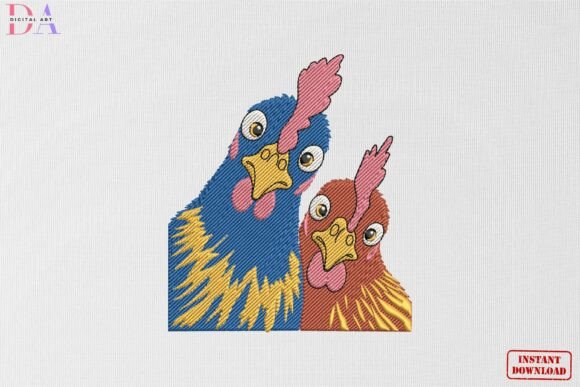
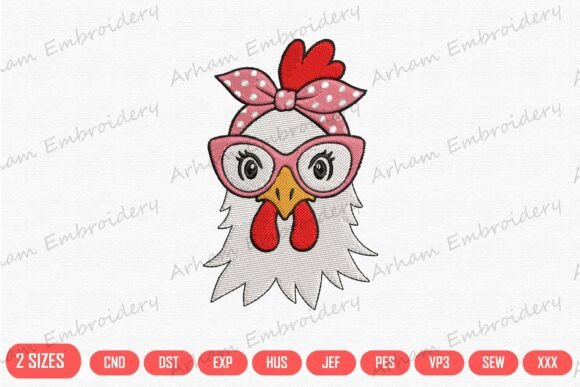
My first impression was immediate: this design has personality. In the world of Farm Animals themed Embroidery, it is easy to fall into the trap of generic, cartoonish roosters that lack character. This hen, however, feels distinct. The addition of the pink glasses isn't just a gimmick; it gives the character a hip, modern vibe that bridges the gap between traditional country charm and contemporary farmhouse decor. The layout is balanced, with the visual weight distributed evenly, suggesting that it will sit well on a variety of substrates without pulling to one side.
Real-World Application: The Boutique Apron Test
To truly gauge the value of this digital embroidery file, I envisioned a specific real-life scenario. Imagine you are an Etsy seller preparing a collection of custom aprons for a local cooking school or a bridal shower gift set. You need a design that reads clearly from a distance but holds up to close inspection. The Cute Hen with Pink Glasses fits this bill perfectly.
The design's scale appears ideal for a standard chest pocket or a central placement on an apron bib. When I mentally mapped out the stitching process, the transition between the body fills and the detail work on the glasses seemed logical. For a handmade product like this, clarity is king. If the stitches are too dense, the fabric becomes stiff; if they are too sparse, the backing shows through. Based on the visual complexity, this design likely utilizes a smart combination of fill stitch for the body to create a solid, plush look, and satin stitch for the outlines and the frames of the glasses to provide crisp definition.
For a small shop product line, consistency is vital. This design offers a strong brand anchor. It is recognizable enough to become a signature motif for a craft business specializing in whimsical home goods. Whether applied to a tote bag design for grocery runs or a sweatshirt embroidery project for cool autumn days, the hen brings a sense of fun that encourages buyer engagement. It tells a story of someone who loves the farm life but isn't afraid to be fashionable about it.
Navigating Fabric Choices and Stitch Density
While the aesthetic appeal is high, a professional reviewer must address the technical challenges. Where should you use caution? The details around the glasses and the beak are critical. On textured fabrics like heavy linen or waffle weave, tiny details can get lost. If you are planning to use this on a rough fabric texture, you might need to adjust your stabilizer strategy. A cut-away stabilizer would be my recommendation here to prevent the design from sinking into the weave over time, especially if the finished product is intended for frequent washing.
Furthermore, consider the background color. The description highlights "pink glasses," which implies a specific thread colors palette. On dark fabric, these light pinks and yellows will pop beautifully, provided your machine tension is dialed in. However, on black or navy garments, you must ensure there is sufficient underlay stitching to prevent the dark fabric from peeking through the lighter thread areas. Always test the design on scrap fabric of the same weight and texture as your final material. This is non-negotiable for maintaining professionalism and customer trust.
Curved surfaces present another hurdle. If you intend to place this hen on a cap or a structured hat, be mindful of the hoop size limitations and the curvature of the brim. Detailed corners, like the edges of the glasses frames, can sometimes cause thread bunching on tight curves. For caps, a simpler version or a slightly larger scale might be necessary to maintain stitching clarity. Similarly, for baby embroidery on soft, stretchy onesies, you must use a topping or a water-soluble stabilizer to prevent the stitches from sinking into the knit fabric, ensuring the hen remains soft against sensitive skin.
Commercial Viability and Design Assets
From a business perspective, the Cute Hen with Pink Glasses is a versatile asset. It works exceptionally well for holiday embroidery projects, particularly for Easter or Thanksgiving, where farm themes are perennial bestsellers. But its appeal extends beyond seasonal spikes. As a year-round motif for nursery decor or kitchen towels, it has staying power.
When creating printable mockups for your online store, this design photographs well. The contrast between the hen's body and the accessories creates natural focal points that draw the eye in thumbnail images—a crucial factor for scrolling shoppers. It adds perceived value to custom apparel and personalized gifts. A simple towel becomes a conversation piece; a plain tote bag becomes a statement accessory.
However, before listing items made with this embroidery project, you must verify the licensing terms. Not all design assets allow for unlimited commercial use. Some creators require an extended license for mass production or digital resale. Ensure you are compliant to avoid legal headaches down the road. If the file includes multiple formats, choose the one that best matches your machine's capabilities to minimize editing time.
Final Verdict for the Working Designer
In summary, the Cute Hen with Pink Glasses is more than just a cute graphic; it is a well-conceived element for the modern maker. It balances whimsy with technical feasibility. My advice is to start with a test run on a medium-weight cotton twill using high-quality rayon or polyester threads. Check the coverage of the fill areas and the sharpness of the satin columns on the glasses. If the density feels too heavy for your chosen fabric, consider scaling the design up slightly to reduce stitch concentration per square inch.
For craft business owners looking to expand their catalog with something that feels fresh yet familiar, this design is a strong contender. It invites creativity, whether you are adding a monogram beside it, pairing it with floral elements, or letting it stand alone as a bold centerpiece. Just remember: the difference between a good product and a great one often lies in the preparation. Respect the design, prepare your materials, and let this fashionable hen bring a touch of charm to your next creation.